Museo Oceanografico: A Window into Patagonian Marine Life
June 24, 2025

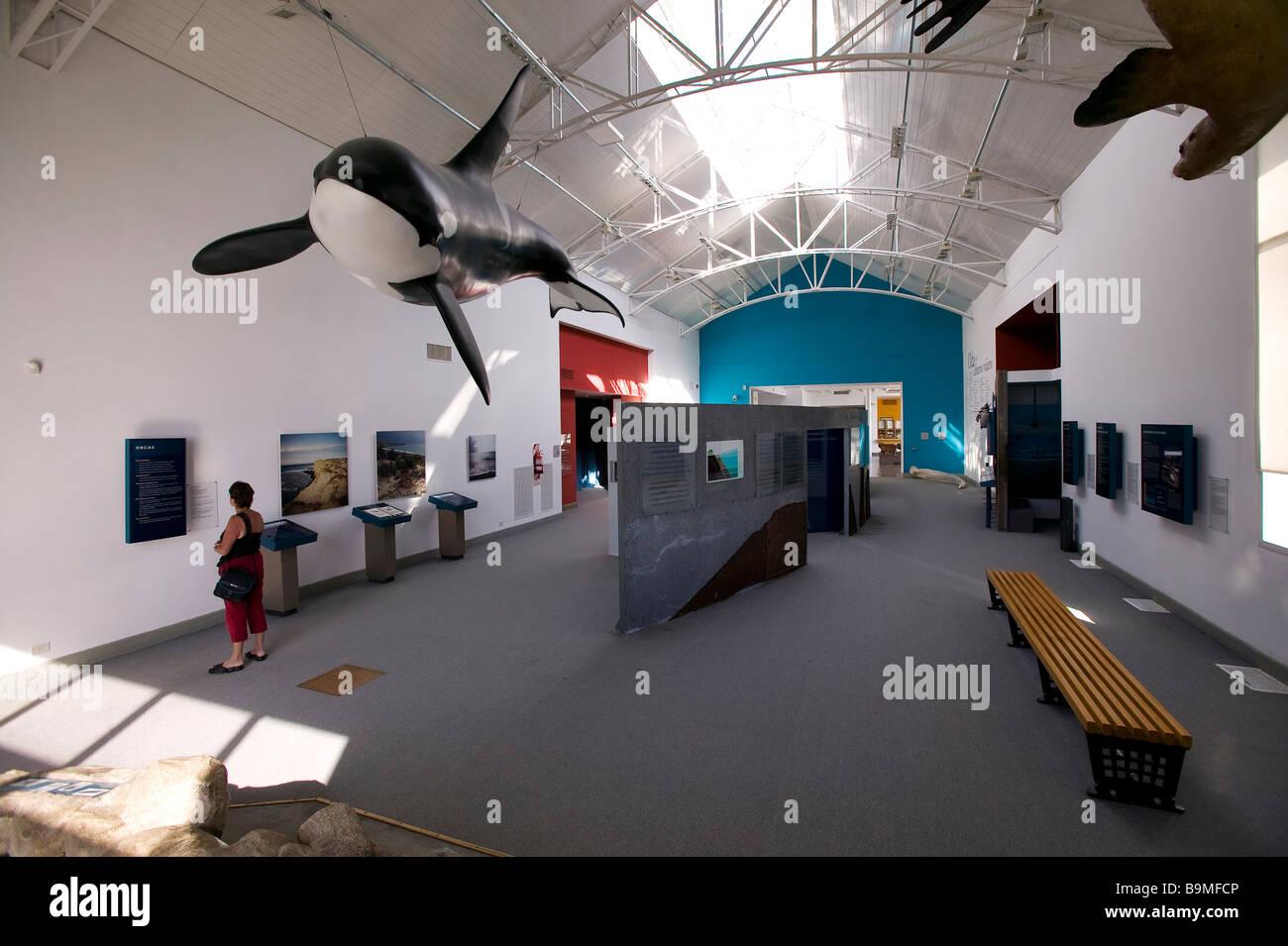
I spent about two hours exploring the nine exhibition rooms, fascinated by the preserved marine specimens and indigenous artifacts. The climb to the museum's cupola offered an unexpected bonus with stunning views of Puerto Madryn's port, making the visit truly memorable.
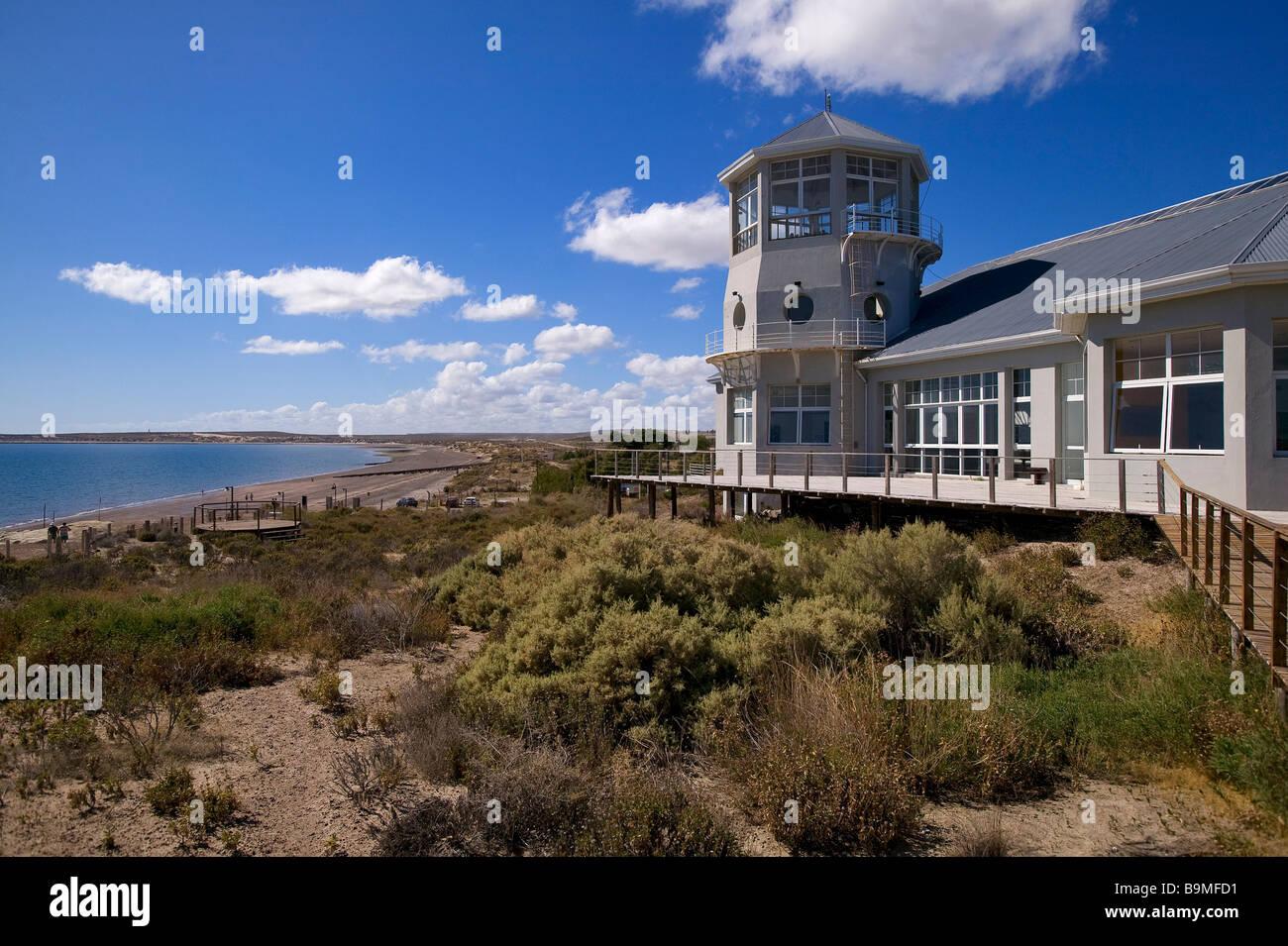
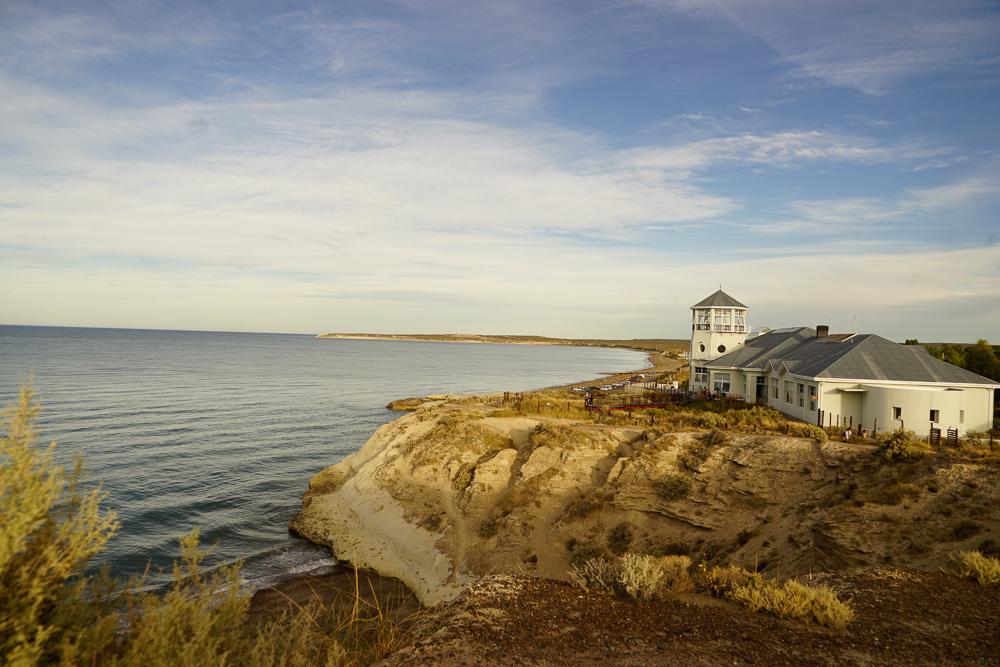
Step inside the 1917 Chalet Pujol and uncover Patagonia's hidden marine world through rare specimens and indigenous stories. This museum is your secret gateway to understanding the untold ecological and cultural mysteries of Argentina's southern coastline.
Need-to-Know Info Before Visiting Museo Oceanografico
5+
images
Museo Oceanografico Address
Avenida Roca 1080, Puerto Madryn, Chubut Province, Argentina
Museo Oceanografico Opening Hours
- 🕒 Tuesday - Friday: 9 AM - 5 PM
- 🕒 Saturday - Sunday: 10 AM - 6 PM
- 🕒 Closed on Mondays
How to get to Museo Oceanografico
- 🚗 By car: Located in central Puerto Madryn, easy street parking available
- 🚌 Public transport: Local city buses stop nearby on Avenida Roca
- 🚕 Rideshare: Taxi and local ride services readily available
What is Museo Oceanografico known for?
- Historic 1917 Chalet Pujol building showcasing marine and land mammal exhibits
- Nine exhibition rooms featuring Patagonian flora, fauna, and indigenous cultural artifacts
- Unique collection of preserved marine specimens and scientific displays
- Exhibits highlighting Tehuelche and Mapuche cultural heritage
- Rooftop cupola offering panoramic views of Puerto Madryn port
What is Museo Oceanografico in Puerto Madryn?
Tucked in the coastal city of Puerto Madryn, the Museo Oceanografico stands as a scientific treasure trove capturing the rich marine and cultural landscape of Patagonia. Housed in the historic Chalet Pujol from 1917, this natural history museum attracts school groups, international travelers, and science enthusiasts eager to understand the region's ecological heritage. Visitors can explore nine exhibition rooms packed with marine specimens, land mammal displays, and indigenous artifacts that tell the story of Patagonia's complex ecosystem. The museum's hands-on approach lets guests touch seaweed strands, examine preserved marine creatures, and peek into the world of Tehuelche and Mapuche cultures. A highlight for many is climbing to the museum's cupola, which offers sweeping views of Puerto Madryn's port and surrounding landscape. While exhibit explanations are primarily in Spanish, the visual storytelling transcends language barriers, making it an engaging stop for curious travelers seeking to understand Patagonia's natural and cultural environment. The museum serves as an educational hub, bridging scientific research with public understanding of the region's biodiversity and historical narratives.
Top things to do at Museo Oceanografico
- Climb to the museum's rooftop cupola for panoramic views of Puerto Madryn port and surrounding landscape
- Explore the hands-on marine exhibit where you can touch actual seaweed strands and examine preserved marine specimens
- Visit the nine exhibition rooms showcasing Patagonian flora, fauna, and indigenous cultural artifacts from Tehuelche and Mapuche cultures
- Check out the museum's library and temporary exhibition spaces for rotating displays about regional natural history
- Discover the unique collection of Welsh cultural artifacts, highlighting the historical immigrant presence in Patagonia
- Examine preserved marine and land mammal exhibits to understand the ecological diversity of the Patagonian region
Tickets and Entry
The Museo Oceanografico offers affordable entry for visitors. Local residents and students receive discounted rates, while international tourists pay standard admission. Tickets can be purchased directly at the museum entrance. Group discounts are available for school and tour groups. Children under 6 enter free. Cash and credit card payments are accepted.
History of Museo Oceanografico
- 1917: Chalet Pujol constructed, which would later become the Museo Oceanografico
- 1930s: Initial collections of marine and land mammal specimens begin to be gathered
- 1960s: Museum formally established as a scientific and educational institution
- 1990s: Significant expansion of exhibition spaces to nine rooms
- 2000s: Major renovations to modernize exhibits and preservation techniques
- 2010: Added comprehensive displays about indigenous Tehuelche and Mapuche cultures
Cultural Significance
The Museo Oceanografico represents a critical preservation center for Patagonian natural and cultural heritage. It serves as an educational hub connecting local communities with their ecological and anthropological history. The museum's collections highlight the unique marine biodiversity of Argentina's southern coastline and the rich cultural traditions of indigenous populations.
Tips for Visitors
- Spanish language skills helpful, but visual exhibits are informative for all
- Bring a camera to capture unique marine specimen displays
- Allow at least 2 hours for a comprehensive museum tour
- Climb to the cupola for stunning port views
- Check website for temporary exhibition schedules
- Wear comfortable walking shoes for multiple exhibition rooms
What are some interesting facts about Museo Oceanografico?
- The museum is housed in the historic Chalet Pujol, a building that predates the museum itself by several decades and originally belonged to a prominent local family
- Its collection includes rare Welsh cultural artifacts, reflecting the significant Welsh immigration to Patagonia in the late 19th century
- The museum's rooftop cupola was designed not just for views, but originally served as a strategic lookout point for monitoring maritime activities in Puerto Madryn's port